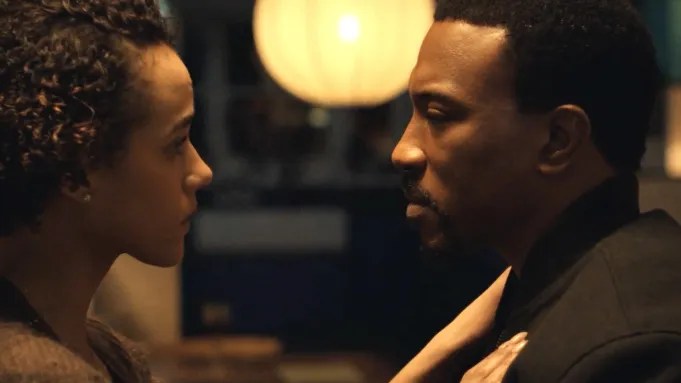
There is a particular difficulty in watching someone struggle and knowing that love alone cannot tell you what to say. How do you offer reassurance without minimising their pain? How do you encourage someone to speak without making them feel cornered? In Alex Lanipekun’s Oscar-qualified short ECHOES, Nathalie Emmanuel brilliantly captures the sensitivity those moments demand.
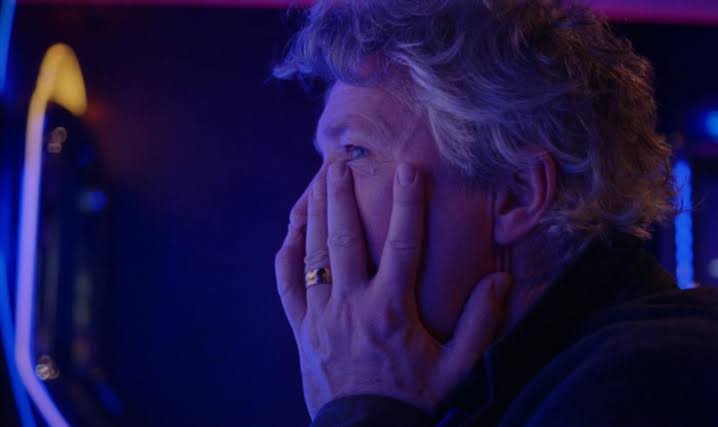
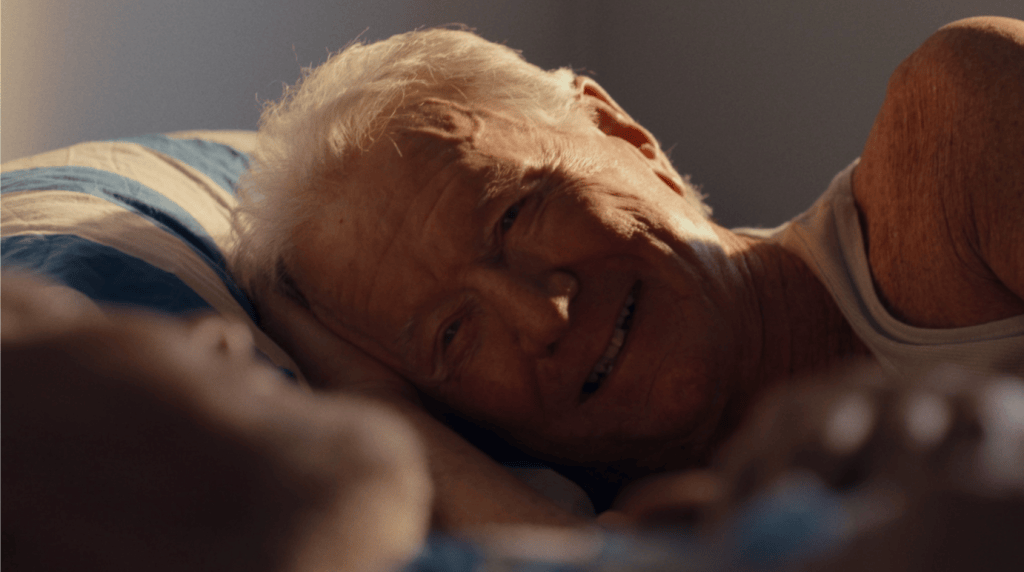
Written, directed and produced by Lanipekun, the London-set drama explores male friendship, childhood trauma and the enduring impact of abuse. Ashley Walters plays Andre, whose life intersects with Robert, played by Leo Gregory, as their shared boarding school past resurfaces. At its heart is the painful distance between what happened to these men as boys and what they have been able to acknowledge as adults.
For The Female Perspective, Emmanuel’s contribution deserves particular attention. Her character brings into focus an experience familiar to many people supporting someone through mental health difficulties: wanting to help while understanding that even a well-intentioned remark can land painfully. The pressure to find the right words can be immense, particularly when the person in front of you is struggling to articulate what they need.
Emmanuel handles that delicate balance brilliantly. There is compassion in her performance, alongside an awareness that concern does not automatically grant someone access to another person’s most painful experiences. She conveys the difficulty of being emotionally available without demanding disclosure, and of offering support without assuming she has the answers.
That distinction matters. Encouragement can become pressure; reassurance can sound like dismissal. A person trying to communicate distress may hear something very different from what a loved one intended. Emmanuel gives those uncertainties emotional weight, making her character’s care feel thoughtful and human.
Crucially, being mindful of language should never mean treating someone experiencing mental health difficulties as impossible to approach. The challenge is to listen, to resist easy assumptions and to recognise when a conversation needs patience. Her performance captures that responsibility without suggesting that anyone can navigate it perfectly.
There is also a valuable female perspective here on the emotional work of supporting others. Women are often expected to sense what is wrong, initiate difficult conversations and somehow know the response that will make everything better. Emmanuel’s character invites us to consider the vulnerability within that position. Caring deeply for someone does not make their pain easy to understand, or give you the power to resolve it.
Around her, the story of Andre and Robert examines what happens when childhood suffering remains buried beneath adult lives. The film’s premise gives its exploration of male friendship particular significance: a shared history may offer recognition, but it can also reopen experiences that have long resisted words. Walters and Gregory occupy the centre of that reckoning, with Emmanuel bringing an essential perspective to the question of how others respond.
ECHOES asks us to think carefully about what support actually looks like. Sometimes it begins with a conversation. Sometimes it requires allowing a silence to remain unfilled. Emmanuel’s beautifully judged contribution reminds us that being there for someone requires attention, humility and the willingness to keep listening—even when we are unsure what to say.
★★★★★
Sophie Jackson