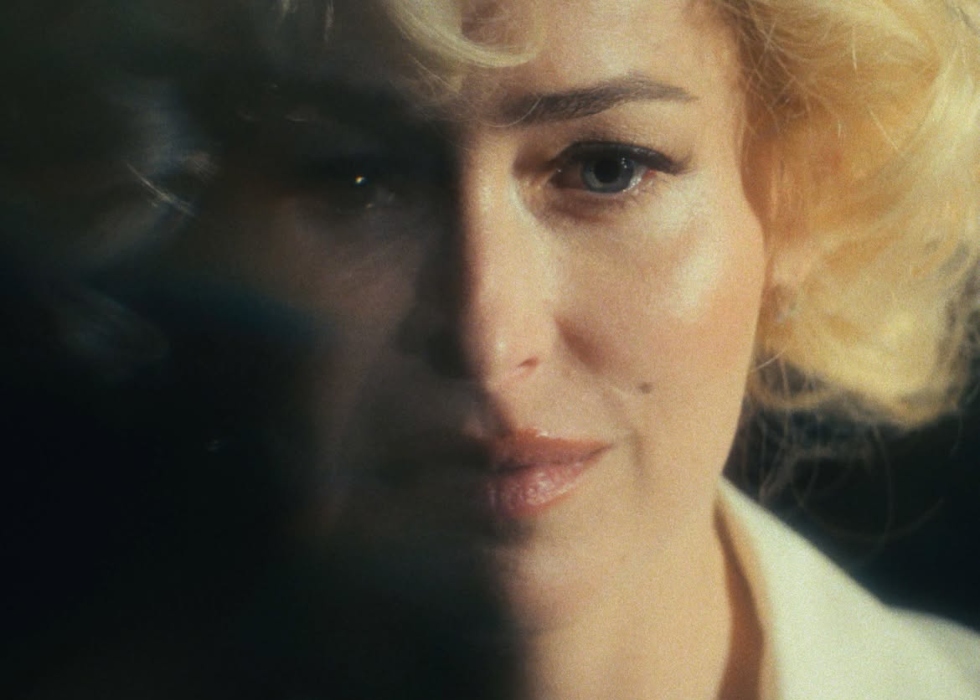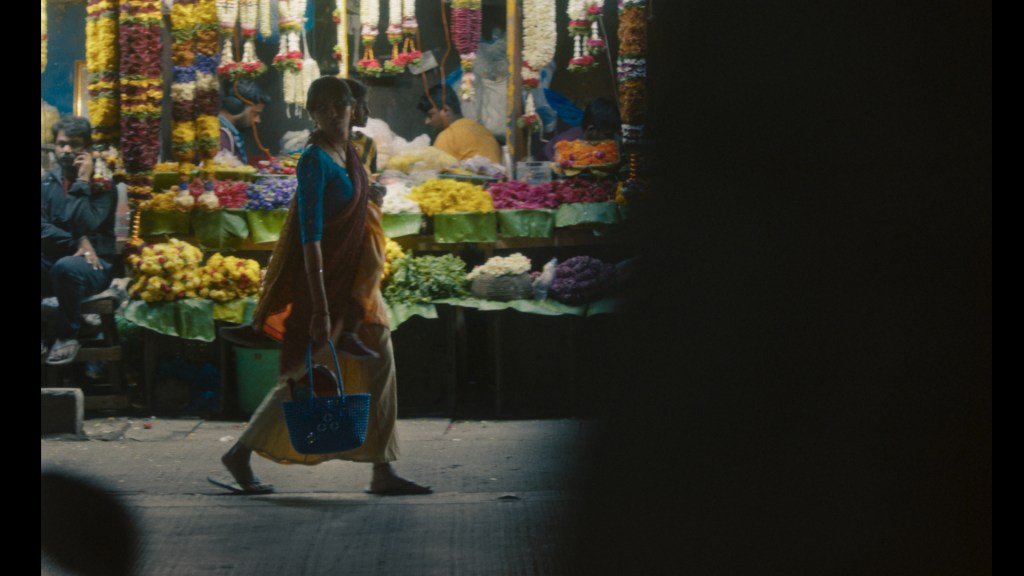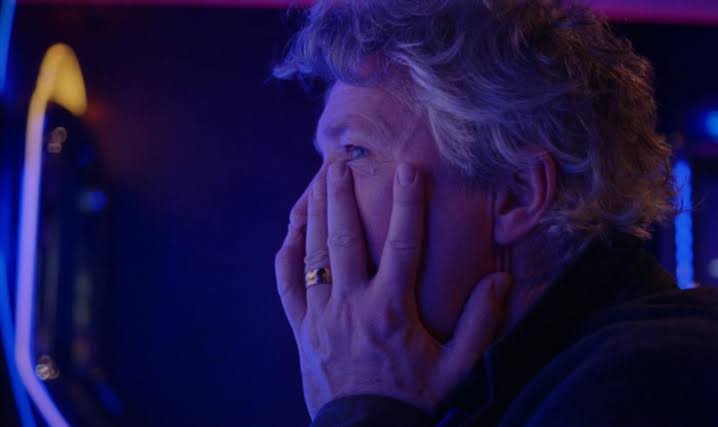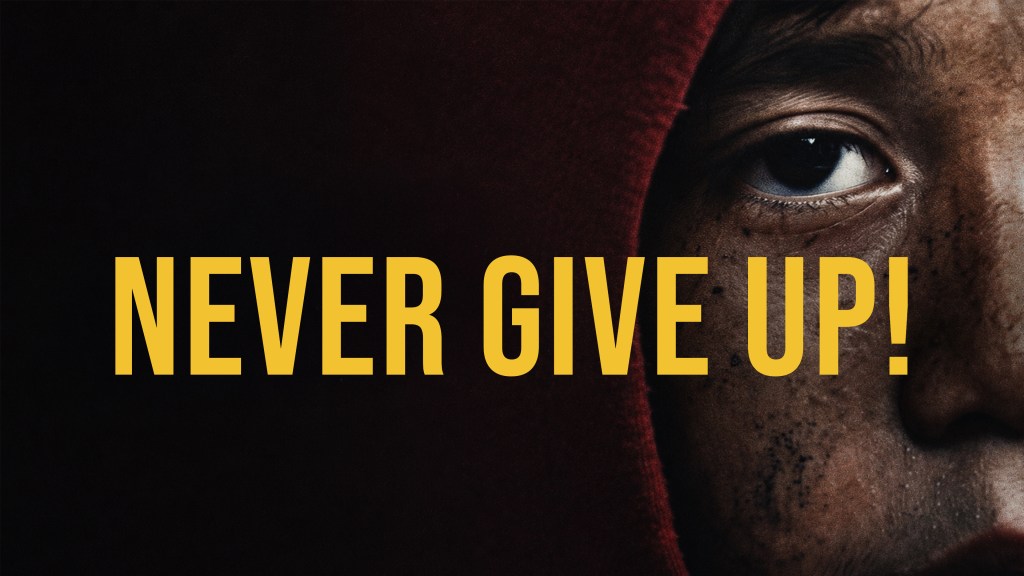
In Tamás Yvan Topolánszky’s Oscar-qualified short Never Give Up!, Ariana Lebrón plays the mother whose influence shapes a young boy’s fight for survival, placing maternal love at the heart of a story about borders, separation and hope.
Three words connect a mother and her son: words of encouragement that become desperately important when they can no longer face danger together.
Written and directed by Topolánszky, the short follows a young Mexican boy separated from his mother during a deadly border crossing. Alone in the desert, with a damaged phone and dwindling strength, he holds on to the message she taught him: never give up.
The mother’s importance lies in the relationship behind that phrase. Before those words reach the boy through a motivational video, they already carry the authority of someone he knows and trusts. His mother has given them their first, most personal meaning.
Played by Dominican actress Ariana Lebrón, the mother provides the story’s emotional foundation. Although the boy’s ordeal drives the narrative, his understanding of how to endure it is rooted in her guidance.
Her role extends beyond being the person from whom he is separated. She has helped shape the child he is: someone who can remember encouragement, recognise it in an unfamiliar voice and draw on it when he is frightened and alone.
The film gives weight to an often overlooked part of motherhood — the daily work of helping a child feel capable of facing the world. Familiar reassurances can seem small when spoken. In a moment of crisis, they can become something a child reaches for instinctively. Here, a mother’s words travel further than she can.
The story introduces a provocative complication when the boy encounters an old motivational video featuring Donald Trump. Unaware of the speaker’s political identity, he hears something familiar: an echo of his mother’s message.
This is where her role becomes essential to the film’s central question about who owns words and who gives them meaning. For the boy, the phrase matters because of its connection to her. A public figure may repeat it, but the emotional force behind it comes from a private relationship.
Through that connection, the mother remains central even during their separation. Her influence shapes how her son interprets what he hears and what he does next.
Against the charged politics of the U.S.–Mexico border, this maternal perspective brings the story back to the people experiencing its dangers. Separation means a child losing immediate access to the person whose presence, voice and reassurance have helped him feel safe. The stakes are intimate as well as political.
Stories of survival often celebrate the individual who keeps going. Never Give Up! also invites us to consider the person who helped make that perseverance possible.
Lebrón’s character represents the care behind her son’s courage. Remembering her gives him a way to respond to circumstances no child should have to navigate alone. His vulnerability remains part of the story, even as he struggles to survive.
With newcomer José María Gómez “Chema” playing the boy, Claudia Sümeghy producing alongside Topolánszky, and Matthew Modine attached as executive producer, Never Give Up! poses a question about the ownership of a message. Its mother-son relationship gives that question its emotional weight.
Whoever else speaks those three words, for this child they begin with his mother.
★★★★★
Sophie Jackson