From Maggie Steed in a hospice-set dark comedy to Ellen Burstyn as a 100-year-old Marilyn Monroe, The Female Perspective spotlights the performances and filmmakers we’re rooting for this awards season.
What would Marilyn Monroe say if she could walk into a casting room at 100? What does a mother do when her daughter is too distressed to go to school and the calls about attendance keep coming? This year’s live-action shorts find drama in the places where decisions get made about other people’s lives, from a casting room to a school office to the entrance of a nursing home. From an Irish psychological thriller shaped by its learning-disabled ensemble to the story of an Iranian teenager facing deportation who earns a living dressed as the Statue of Liberty, these are twelve films we’d love to see go further in the Oscar race.
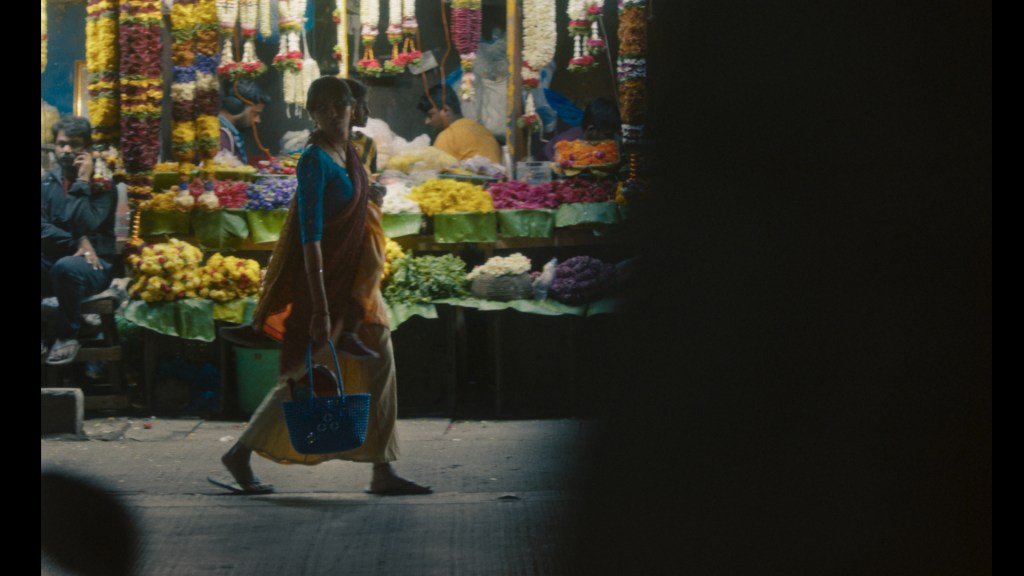
In Anooya Swamy’s Pankaja, a woman and her young daughter, Lalli, search Bangalore for their missing husband and father. The search takes them through the city’s poorer neighbourhoods and into a bureaucracy that offers little help. Harshini Boyalla and Padmashree G. anchor a film that begins with an urgent question about one man’s whereabouts and gradually reveals how much work it takes to keep a household going when the people it depends on can disappear from view. The mother-daughter relationship gives the film its force. A child is alongside her mother as she deals with problems that adults and institutions have left for her to solve. Swamy’s debut premiered at Sundance, and its ability to tell a story about informal labour through one family’s uncertain day makes it one of our strongest picks.
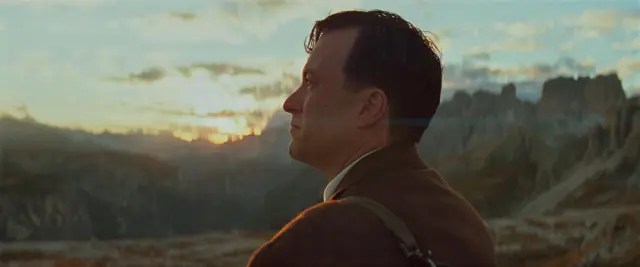
Another family’s search for safety takes us into the Dolomites in Harald Swinkels’ Odessa. Shot on 35mm and set in the aftermath of the Second World War, the film follows Josef, Irene and their young son Rolf as they flee across the mountains and find shelter in a church. Magdalena Müller gives us a reason to watch Irene closely, even when her husband’s actions seem to be driving the story. She has to weigh what she knows about him against what she can see happening in front of her, all while trying to keep their son safe. Much of the film’s power rests on how readily we read tenderness as proof of good character, and how unsettled we feel when that judgment is called into question.
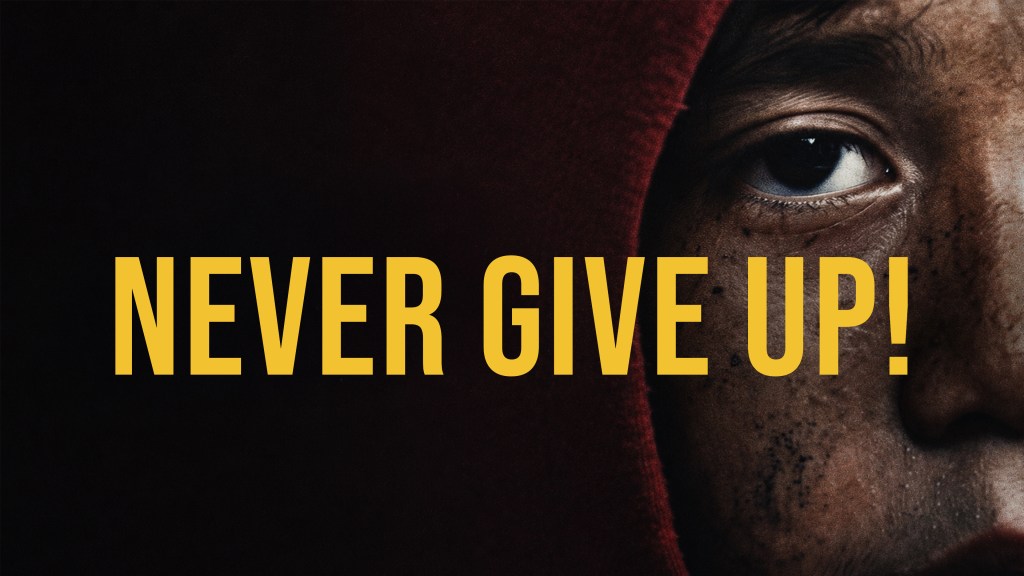
A mother’s efforts to protect her child also shape Never Give Up!, Tamás Yvan Topolánszky’s Oscar-qualified drama, executive produced by Matthew Modine. Nine-year-old newcomer José María Gómez plays a Mexican boy left alone in the desert after being separated from his mother, played by Ariana Lebrón, during a deadly US–Mexico border crossing. With a damaged phone and little else to draw on, he hears the words she taught him in an old motivational video. Lebrón gives those three words their intimate meaning before they return in a stranger’s voice. The film’s most affecting idea is that a piece of advice can carry something of the person who gave it, even when the person who needs it most has no way of reaching them.
In Mary Is Missing, Aisling Byrne’s Oscar-qualified Irish thriller, co-written with Caitríona Daly, a care worker vanishes from the Yellow Tree Day Service. Garda Foley, played by Lloyd Cooney, interviews the people who last saw her. Their stories clash and grow increasingly fantastical, leaving him to wonder whom the witnesses might be protecting. Mark Smith leads an ensemble whose involvement began well before filming. Over a 12-week writers’ room hosted by Run of the Mill, learning-disabled artists helped develop the characters and the story itself. That collaboration is central to the film’s appeal. The witnesses control what the investigator can know, and every new account gives the audience a reason to reconsider whose version it trusted first.
In Unauthorised Absence, the question of whose voice carries weight shifts to the way schools handle absences. Emily Bruni and Beatrice Flaherty play Anna and her nine-year-old daughter Thea, who experiences severe distress around school while waiting for an autism assessment. The calls about her attendance keep coming, and the possibility of fines and prosecution adds pressure to a household already struggling to get through the day. Created and produced by Natalie Lauren, written by Jo Clayton and directed by Georgia Parris, the film makes the repeated phone call a source of dread. Every call asks Anna to account for another absence. Every call is also an opportunity for someone to ask what might make school bearable for Thea. The gap between those two conversations gives the film its urgency.
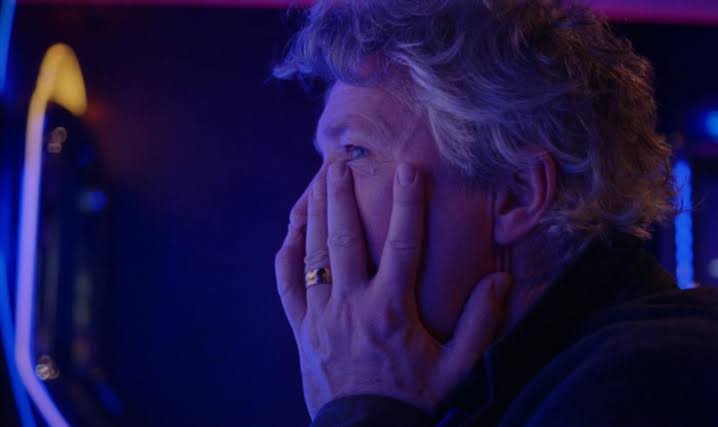
In the Northern Irish drama Nostalgie, Kathryn Ferguson explores what happens when a song takes on a life its creator can no longer control. Aidan Gillen plays Drew Lord Haig, a fading 1980s pop star invited to perform at a centenary celebration. What looks like a chance to reclaim some of his former relevance forces him to confront what his music has come to mean to the people who want him there. With original songs and score by Bastille’s Dan Smith and cinematography by Robbie Ryan, Ferguson gives Drew’s past a vivid presence. The tension comes from watching him weigh the appeal of being wanted again against the implications of accepting the invitation. It’s a sharply observed drama about the hold nostalgia can have on an artist and the people who claim his work as their own.
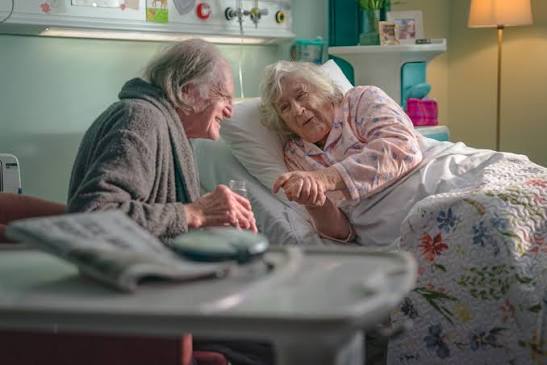
Time has a different hold on Bill in Life Goes On. In Kat Butterfield and Daniel Audritt’s Oscar-qualified dark comedy, David Bradley plays an 83-year-old hospice patient whose final day starts again every time his heart stops. Maggie Steed plays Lizzie, a role the filmmakers wrote with her in mind. The time loop is a good joke on its own, especially when Billhas to face the same visitors and small talk again. Steed gives those repetitions their emotional weight. Once we know the day by heart, a small change in what Lizzie and Bill say to each other can carry more weight than the whole business of dying and starting over.
The cost of leaving things unsaid also runs through Bloom, the writing and directing debut of Danish actress Julie Agnete Vang. Inspired by a radio documentary about a man who came out after his wife’s death, the film stars Finn Nielsen as Niels, an 80-year-old widower who finally tells his daughter something he has kept from her for decades. He’s had a lifetime to think about what he wants to say. She has to take it in while she’s still grieving her mother. That difference in timing is what makes their encounter so painful. Vang allows us to understand the relief Niels might find in speaking and the hurt his daughter feels as her memories of both parents suddenly look different. The film takes her anger seriously enough to let it complicate a moment that might, from his perspective, feel overdue.
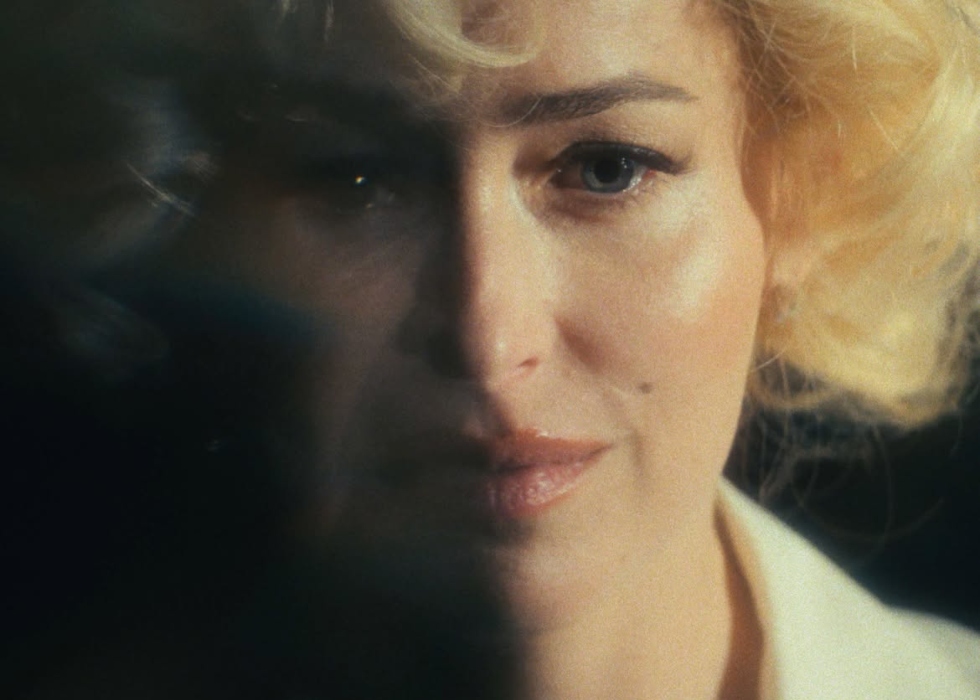
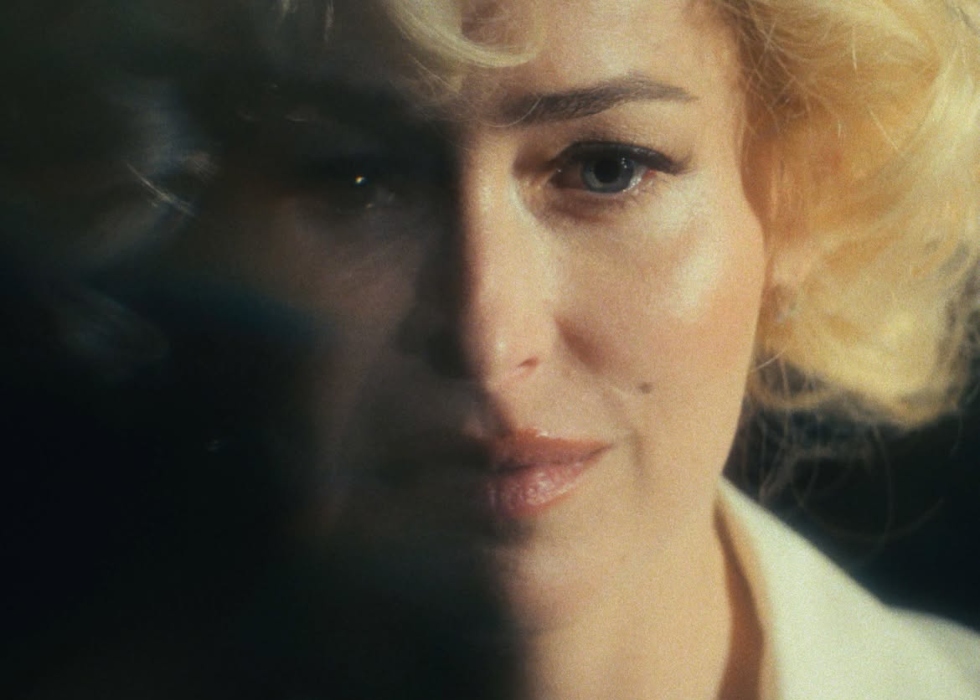
In Flesh Impact, Maggie Gyllenhaal imagines the decades Marilyn Monroe never got to live. Ellen Burstyn plays her at 100, arriving at a New York casting session to audition for a role intended for a woman in her twenties. Dakota Johnson plays Monroe in her younger years, as the older actress recalls the career that made her famous. The casting panel has to decide what to do with a woman whose face Hollywood once couldn’t get enough of, now that she’s asking them to see what she can do at an age they hadn’t considered. By giving Burstyn and Johnson the same role at opposite ends of an imagined life, Gyllenhaal gets at the gulf between the youthful image the public has kept and the artist Monroe might have become.
Hollywood looks less inviting in Nora Arnezeder’s Agnès, winner of Best Live-Action Short Film at the Santa Barbara International Film Festival. Kim Higelin stars as a young French actress trying to build a career in Los Angeles whose quick stop at a supermarket before a neighbourhood party takes a frightening turn. Arnezeder, who co-wrote the film with Caitlin Keats, keeps the setup deliberately ordinary. Agnès is doing something she could have done any other day, and that familiarity makes the change in atmosphere all the more disturbing. Where Flesh Impact gives a Hollywood icon the chance to walk back into the room on her own terms, Agnès catches a young actress as the city where she hoped to make a life starts to feel like a place she may have misread.
A routine journey also turns into something far more consequential in Magan’s Fare, written and produced by Dana White, who co-directed with Christopher Knoblock. Barkhad Abdi plays Magan, a Somali rideshare driver taking Jorani, an older Cambodian woman with mild dementia, back to her nursing home on a cold December day. When the facility tells him it has given away her bed, he has to decide how far he’s willing to go to help a stranger. Alexis Rhee’s Jorani gives the film its stakes. For the people making decisions about her care, a bed has been reassigned. For her, the place she’s being driven home to is suddenly gone. The film takes a practice often discussed in institutional terms, patient dumping, and makes us sit with what happens to the person left outside. Its Best Live Action Short win at the St. Louis International Film Festival qualified it for Oscar consideration.
I Will Be Alright
For Laïla, the 16-year-old Iranian refugee at the centre of Cyrus Neshvad’s I Will Be Alright, reaching a place she hoped would be safe is only the beginning. She faces deportation to the country she fled, and in the meantime she earns a living dressed as the Statue of Liberty. It’s a striking image because of how ordinary the job is to her. She has a shift to get through, even as her own future hangs on a decision she has little power to influence. Keeping the story close to Laïlagives the uncertainty of the deportation process a human scale. She is a teenager trying to get through the day while the country where she works decides whether she can stay. Neshvad, who moved from Iran to Luxembourg at five and earned an Oscar nomination for The Red Suitcase, returns to the race with a short that qualified for the 99th Academy Awards® after winning Best of the Fest at LA Shorts.
Sophie Jackson