For much of cinema history, filmmaking was presented as a male-dominated profession. Yet women have been directing, producing, writing and reinventing the language of film since the medium began.
From silent-era pioneers to contemporary Oscar winners, female filmmakers have consistently pushed against expectations, opened doors for the generations behind them and created films that changed what audiences believed cinema could be.
Here are some of the women whose work has helped reshape the industry.
Alice Guy-Blaché
No discussion of pioneering female filmmakers can begin anywhere else.
French filmmaker Alice Guy-Blaché was one of the earliest narrative filmmakers in cinema history and is widely regarded as the first woman to direct films professionally.
Her 1896 short La Fée aux Choux (The Cabbage Fairy) is considered one of the earliest examples of narrative filmmaking. She would go on to direct, produce or supervise hundreds of films during her career and later established her own American production company, Solax Studios.
Her work included Madame a des envies, Falling Leaves and The Consequences of Feminism, a remarkably early satire of traditional gender roles.
Long overlooked by traditional film history, Guy-Blaché is now increasingly recognised as one of cinema’s foundational figures.
Agnès Varda
Known as the “grandmother of the French New Wave,” Agnès Varda created films that blurred the boundaries between fiction, documentary and personal essay.
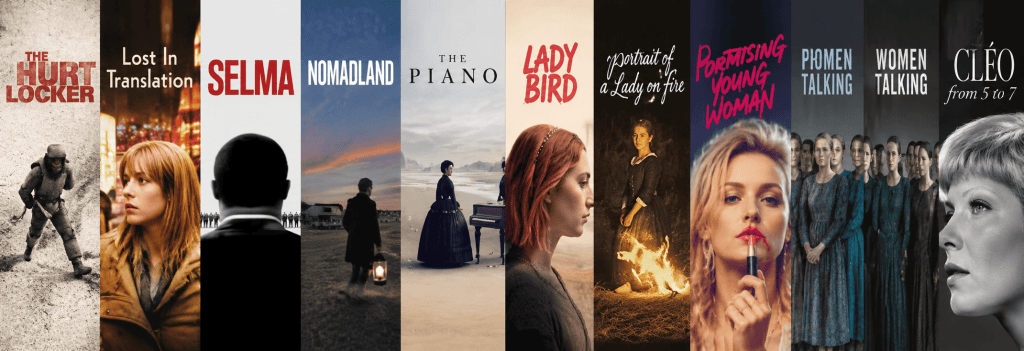
Her extraordinary body of work includes Cléo from 5 to 7, Vagabond, Le Bonheur, The Gleaners and I and Faces Places.
Varda’s films frequently focused on women, outsiders, memory, mortality and everyday lives that mainstream cinema often ignored.
Her deeply personal approach to filmmaking influenced generations of independent directors, while her willingness to experiment with form helped redefine what documentary and narrative cinema could be.
Jane Campion
New Zealand filmmaker Jane Campion became a landmark figure for women in international cinema.
In 1993, The Piano, starring Holly Hunter and Anna Paquin, won the Palme d’Or at Cannes, making Campion the first female filmmaker to receive the festival’s top prize.
She also won the Academy Award for Best Original Screenplay for the film.
Almost three decades later, Campion made history again with The Power of the Dog, becoming the first woman to be nominated twice for the Academy Award for Best Director. She went on to win the Oscar.
Her other films include An Angel at My Table, The Portrait of a Lady, Holy Smoke! and Bright Star.
Campion’s films are often fearless explorations of desire, repression, gender and power.
Kathryn Bigelow
In 2010, Kathryn Bigelow became the first woman ever to win the Academy Award for Best Director.
She received the Oscar for The Hurt Locker, the intense Iraq War drama that also won Best Picture.
Bigelow had already established herself as a filmmaker willing to work in genres traditionally dominated by male directors. Her films include the cult action thriller Point Break, the science-fiction film Strange Days, K-19: The Widowmaker, Zero Dark Thirty and Detroit.
Her career challenged assumptions about the types of stories women were expected to direct and proved that female filmmakers could command large-scale action, thriller and war productions at the highest level.
Sofia Coppola
With a filmmaking style defined by atmosphere, loneliness, femininity and emotional observation, Sofia Coppola has created one of the most distinctive bodies of work in modern American cinema.
Her debut feature The Virgin Suicides immediately established her as a filmmaker with a singular visual identity.
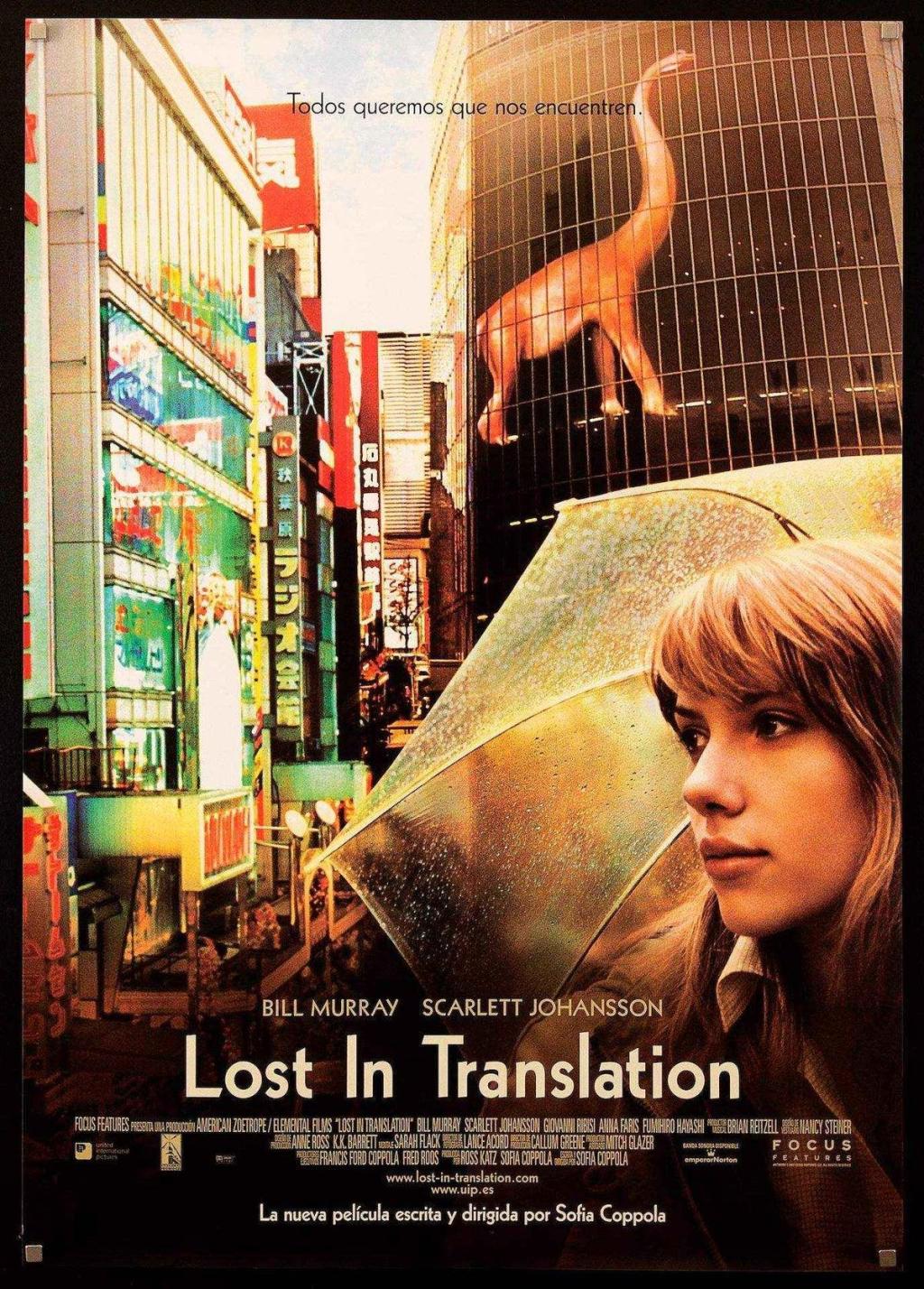
She followed it with Lost in Translation, which earned her an Academy Award for Best Original Screenplay and made her one of the first women ever nominated for Best Director.
Her films also include Marie Antoinette, Somewhere, The Bling Ring, The Beguiled, On the Rocks and Priscilla.
Coppola’s work frequently examines women living within worlds of privilege while experiencing profound isolation, restriction or emotional uncertainty.
Ava DuVernay
Ava DuVernay has become one of the most influential filmmakers and producers working in American cinema.
Her 2014 drama Selma, centred on Dr Martin Luther King Jr. and the 1965 voting-rights marches, received an Academy Award nomination for Best Picture.
DuVernay later became the first Black woman to direct a live-action film with a production budget exceeding $100 million when she directed Disney’s A Wrinkle in Time.
Her work also includes the acclaimed documentary 13th, the television series When They See Us and the feature Origin.
Beyond her own films, DuVernay has used her platform to promote greater representation and opportunities for filmmakers traditionally excluded from Hollywood.
Chloé Zhao
Chinese-born filmmaker Chloé Zhao made history with Nomadland.
The intimate drama starring Frances McDormand won Best Picture at the Academy Awards, while Zhao became the first woman of colour — and only the second woman at the time — to win Best Director.
Her earlier films Songs My Brothers Taught Me and The Rider established Zhao’s distinctive approach, combining professional actors with real people and documentary-style realism.
She later moved into blockbuster filmmaking with Marvel’s Eternals, demonstrating the increasingly diverse paths available to female directors working across independent and studio cinema.
Greta Gerwig
After becoming known to audiences as an actor, Greta Gerwig emerged as one of the defining writer-directors of her generation.
Her solo directorial debut Lady Bird earned five Academy Award nominations, including Best Picture and Best Director.
She followed it with an adaptation of Little Women, starring Saoirse Ronan, Florence Pugh, Emma Watson and Meryl Streep.
Then came Barbie, which became a global cultural phenomenon and one of the highest-grossing films ever directed by a woman.
Gerwig’s work has helped demonstrate that stories centred on women can be commercially enormous while remaining personal, intelligent and stylistically distinctive.
Céline Sciamma
French filmmaker Céline Sciamma has built an extraordinary career exploring identity, desire, girlhood and the female gaze.
Her films include Water Lilies, Tomboy, Girlhood, Petite Maman and the internationally celebrated Portrait of a Lady on Fire.
The latter became particularly influential for its depiction of intimacy between women and its rejection of conventional ways women have historically been photographed and represented on screen.
Sciamma’s work demonstrates how filmmaking itself can change when women are not simply the subject of a story but also control the perspective from which that story is told.
Emerald Fennell
British filmmaker Emerald Fennell made an extraordinary feature directing debut with Promising Young Woman, starring Carey Mulligan.
The film earned Fennell an Academy Award for Best Original Screenplay as well as a nomination for Best Director.
She followed it with the provocative drama Saltburn, starring Barry Keoghan, Jacob Elordi and Rosamund Pike.
Fennell’s films combine dark humour, heightened visual style and uncomfortable examinations of class, gender, power and sexual politics.
Sarah Polley
Canadian filmmaker Sarah Polley has moved successfully from acting into writing and directing some of the most emotionally sophisticated films of recent years.
Her directing credits include Away from Her, Take This Waltz and the deeply personal documentary Stories We Tell.
In 2023, she won the Academy Award for Best Adapted Screenplay for Women Talking, her adaptation of Miriam Toews’ novel about women in an isolated religious community confronting violence and deciding what future they want for themselves.
Her films consistently centre difficult moral questions while giving complex female characters space to speak for themselves.
Emeralds, Oscars and Open Doors
The importance of these filmmakers extends beyond awards or box-office figures.
Each helped challenge an assumption about who could direct, what stories deserved to be told and whose point of view mattered.
Alice Guy-Blaché was making films before Hollywood existed in anything resembling its modern form. Agnès Varda helped reinvent cinematic language. Kathryn Bigelow broke one of the Academy’s most persistent barriers. Jane Campion, Chloé Zhao and others continued dismantling it.
Meanwhile, filmmakers such as Greta Gerwig, Céline Sciamma, Ava DuVernay and Sofia Coppola have demonstrated that there is no single definition of a “female film.”
Women are directing intimate dramas, action films, documentaries, blockbusters, romances, historical stories, comedies and experimental cinema.
And perhaps that is the real legacy of cinema’s female trailblazers: not simply creating opportunities for women to tell women’s stories, but establishing that women should have the freedom to tell any story at all.
Scarlotte Johns