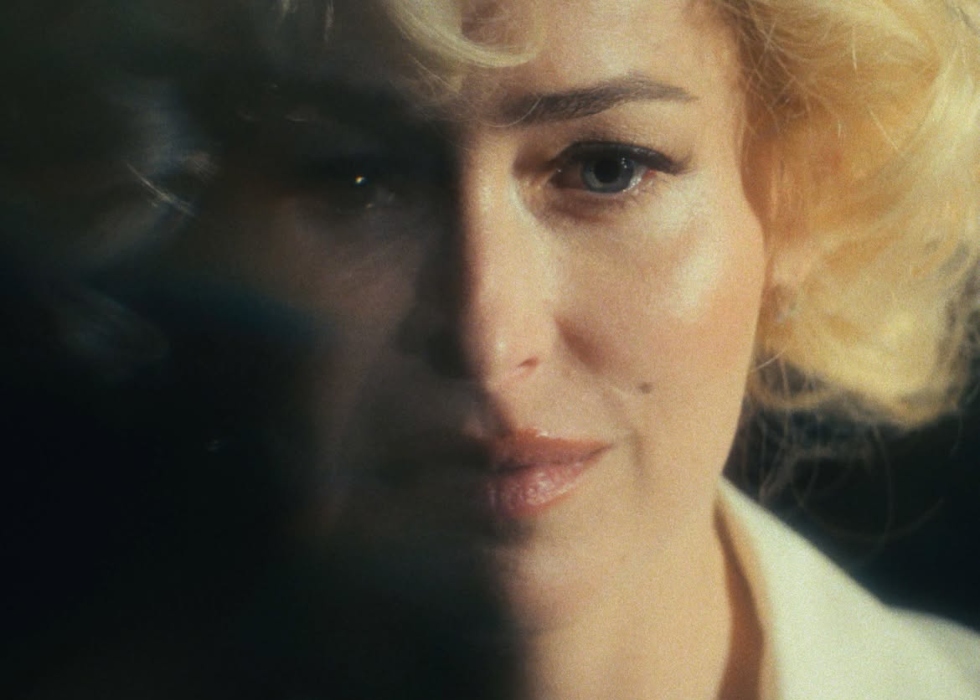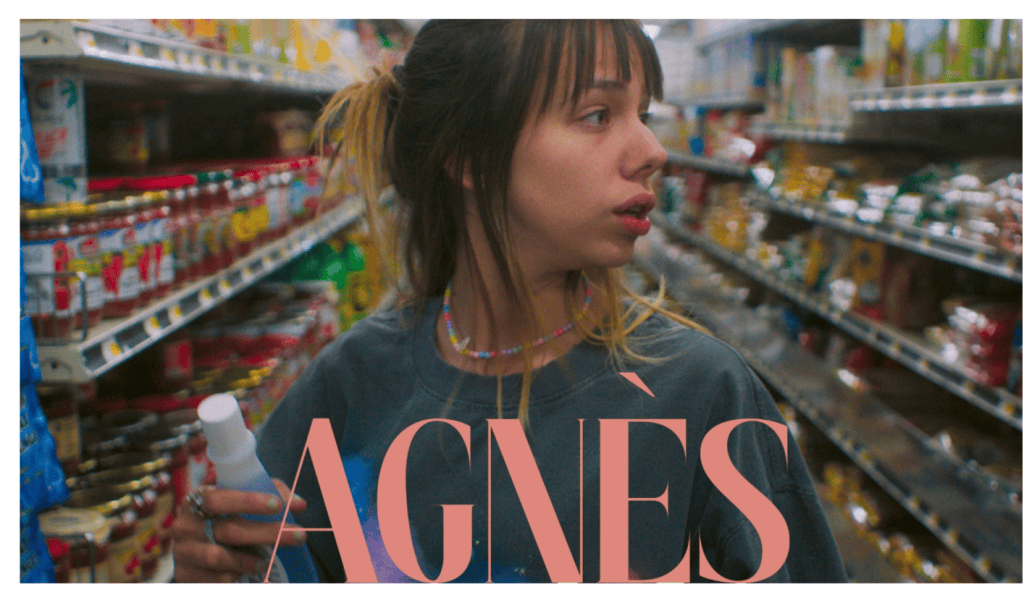
Nora Arnezeder places a young woman’s ambitions and vulnerability at the centre of a story about chance, violence and the futures we imagine for ourselves.
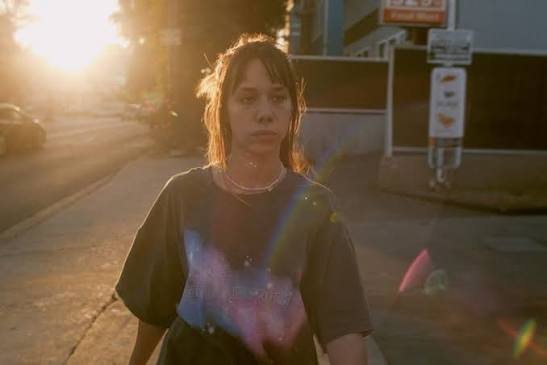
A young French actress arrives in Los Angeles with dreams of building a life on her own terms. It is a familiar starting point, particularly for women drawn to an industry that promises opportunity while offering few guarantees. In Nora Arnezeder’s Oscar-qualified short AGNÈS, that pursuit takes a devastating turn when an ordinary day brings her into contact with the frightening randomness of violence.
At the heart of the story is a woman looking towards her future. Her ambitions matter because they establish a life already in motion: she has come somewhere, wants something and is making choices in pursuit of it. The threat of losing that future gives the premise its emotional weight.
Arnezeder’s experience as an actress brings an interesting perspective to this subject. As co-writer and director, she turns her attention to a woman pursuing the same profession, exploring the distance between the promise of Los Angeles and the uncertainty of everyday existence there. The city represents possibility, but possibility offers no protection.
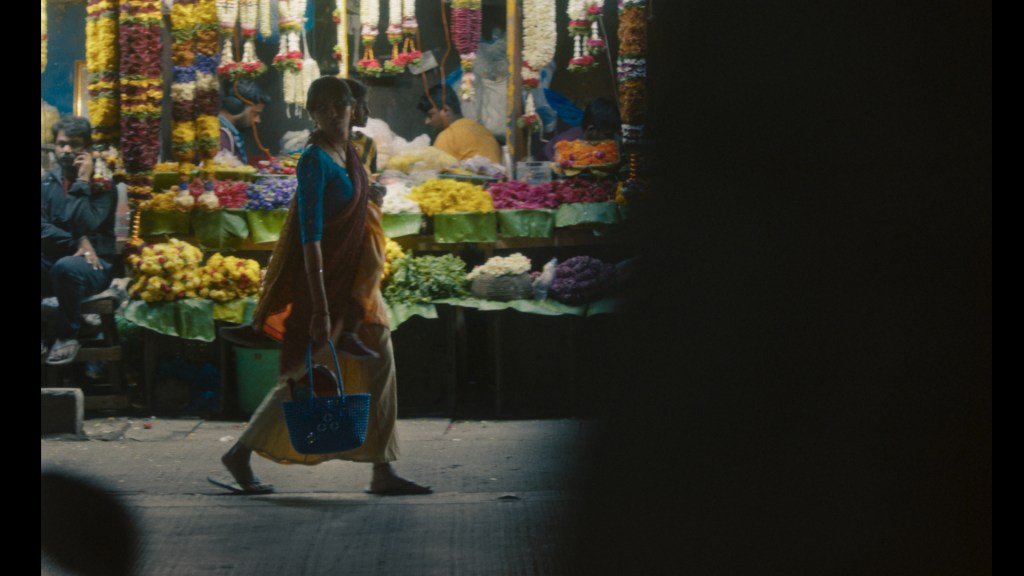
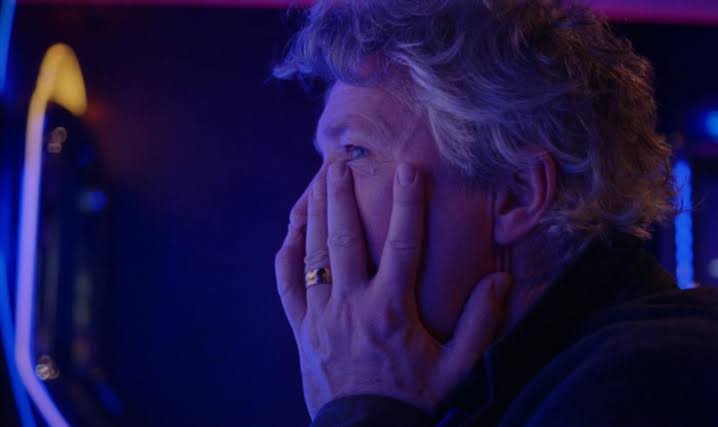
The story’s inspiration is particularly unsettling. A friend stopped at a liquor store while travelling to Arnezeder’s home; minutes later, the filmmaker learned that a shooting had occurred at the same store. Such an incident invites an endless sequence of questions about timing. What if someone had left earlier, taken another road or decided against stopping? These are small, recognisable decisions, made without any sense that they might carry extraordinary consequences.
For a female audience, that premise may resonate with the calculations many women make as they move through public spaces. Where to stop, which route to take and when to leave can become habitual considerations. AGNÈS raises a troubling question beneath those precautions: how much control can any individual truly have over her safety?
Arnezeder’s stated decision to focus on the people affected, rather than the perpetrator, is central to the film’s perspective. It directs attention towards the person whose life is interrupted and the emotional aftermath of that interruption. A young woman’s experience becomes the subject worthy of examination, with her hopes carrying as much significance as the danger she encounters.
There is something especially poignant about placing an aspiring actress at the centre of this story. Acting involves imagining other lives while working towards a hoped-for version of one’s own. Here, that forward-looking energy encounters an event capable of changing everything in an instant. The collision between ambition and uncertainty gives AGNÈS a compelling emotional foundation.
Produced by Nolita and recognised with Best Live Short at the Santa Barbara International Film Festival, AGNÈSapproaches its difficult subject through questions of fate, hope and human vulnerability. Its female focus lies in the attention given to a woman’s life before and beyond a moment of violence.
Arnezeder’s story asks us to recognise the full value of that life: the work she hopes to do, the connections she seeks and the future she deserves the chance to pursue.
★★★★☆
Karen Karmell