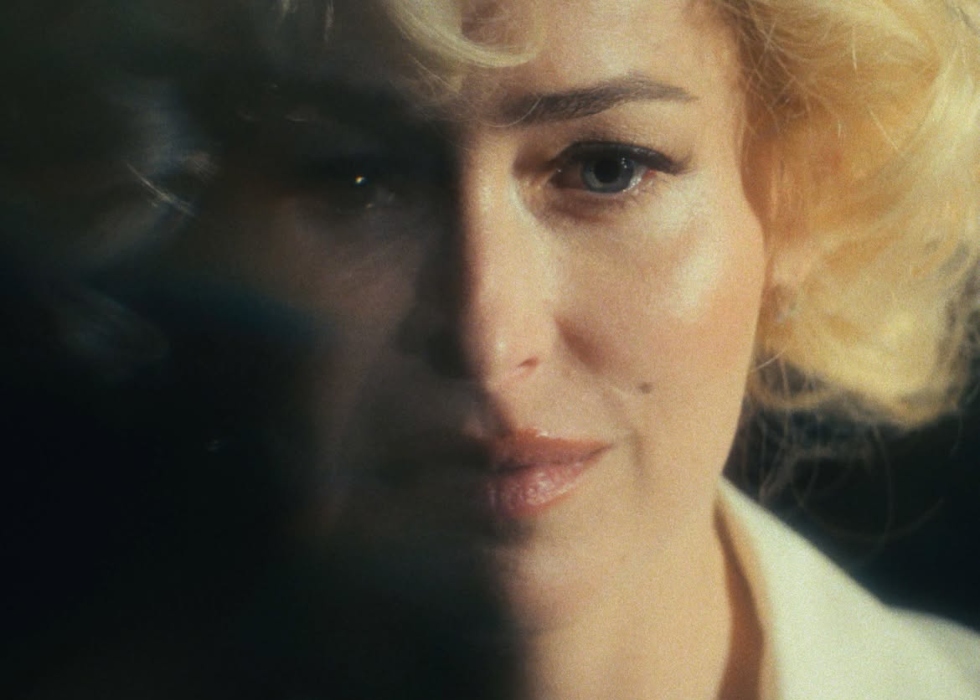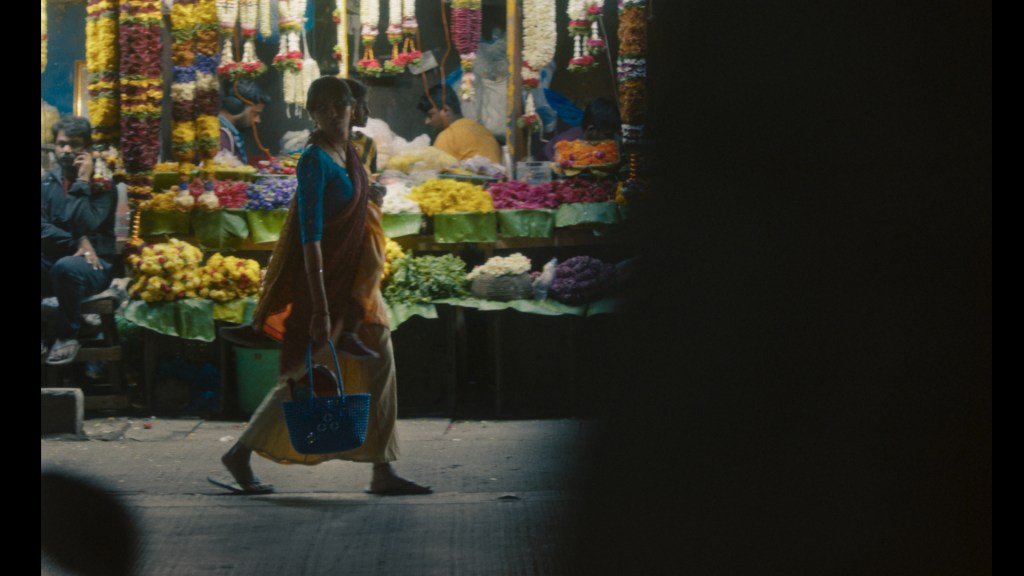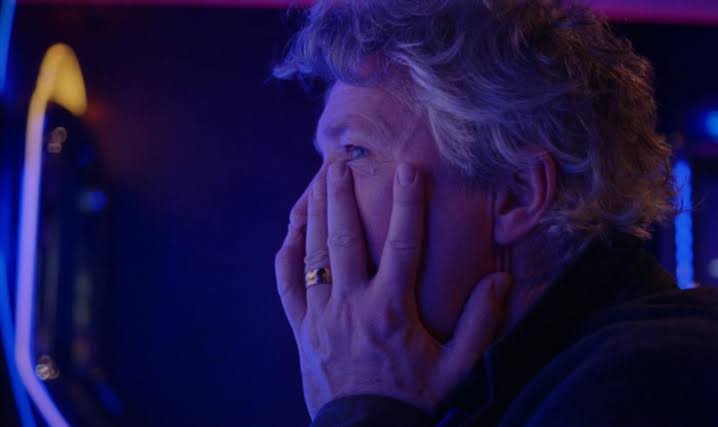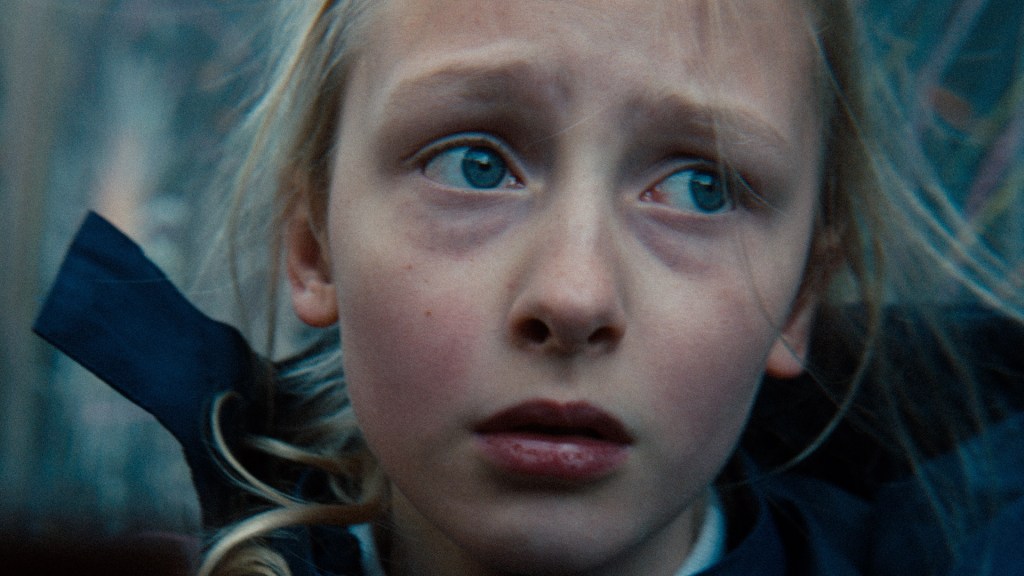
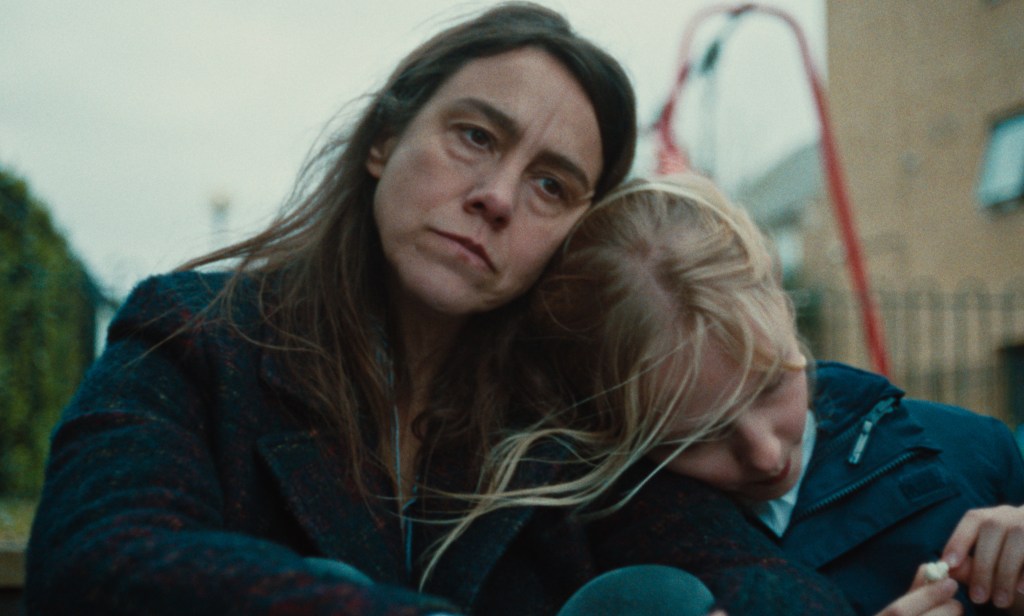
There is a painful contradiction at the heart of Unauthorised Absence: a mother keeps asking for help to get her child an education, yet finds herself under increasing pressure from the very system she needs to provide it. Developed and produced by Natalie Lauren, written by Jo Clayton and directed by Georgia Parris, this Oscar-qualified British short puts a human face to a conversation too often reduced to attendance figures and parental responsibility.
At its centre is a nine-year-old girl experiencing severe school distress. The young actress steals the screen, giving the story its emotional centre and making the isolation of a neurodivergent child impossible to dismiss. Through her character, the film asks us to consider how frightening and lonely childhood can become when the adults making decisions about your life fail to understand what you need.
School is supposed to offer belonging, opportunity and safety. But what happens when a child cannot access those things without appropriate support? Unauthorised Absence explores the distance between being expected to attend and being able to cope. For this girl, the difficulty is real, regardless of whether it fits neatly into an attendance policy.
The film is particularly affecting in its recognition that a child’s distress may not always be visible to those outside the home. Appearing to cope does not mean a child is coping. The effort of getting through a school day can conceal an emotional cost that a parent witnesses before and afterwards, only to struggle to have that experience believed.
From a female perspective, the mother’s position is equally significant. She is expected to secure her daughter’s attendance while repeatedly seeking help with the reasons attendance has become so difficult. Her knowledge of her own child should be essential to finding a solution. Instead, she faces the exhausting task of making herself heard while continuing to care for a daughter in distress.
There is a particular cruelty in asking a parent to overcome barriers she cannot remove alone, then treating the consequences as her failure. The film exposes the huge, unnecessary obstacles families can face within an education system that demands compliance before it has adequately addressed need. Pressure becomes another burden in a household already struggling.
Parris’s film gives that struggle the attention it deserves. Its 15-minute format holds a much larger question: what does an attendance target achieve if the child behind it remains unsupported? The prospect of fines and prosecution brings that question into sharp focus. Punishment cannot, by itself, make an inaccessible education accessible.
Anna Maxwell Martin’s involvement as executive producer and a voice performer lends further visibility to the project, but its heart remains the relationship between mother and daughter. Lauren, Clayton and Parris place their experiences at the centre of a debate in which families can too easily become labels, case numbers and statistics.
Unauthorised Absence makes a compelling case for listening sooner. Anchored by its scene-stealing young actress, it recognises both the loneliness of a child who cannot make the world understand and the determination of a mother who refuses to stop trying.
Before asking why a child is absent, it insists, we must ask what would help her feel safe enough to return.
★★★★★
Sophie Jackson