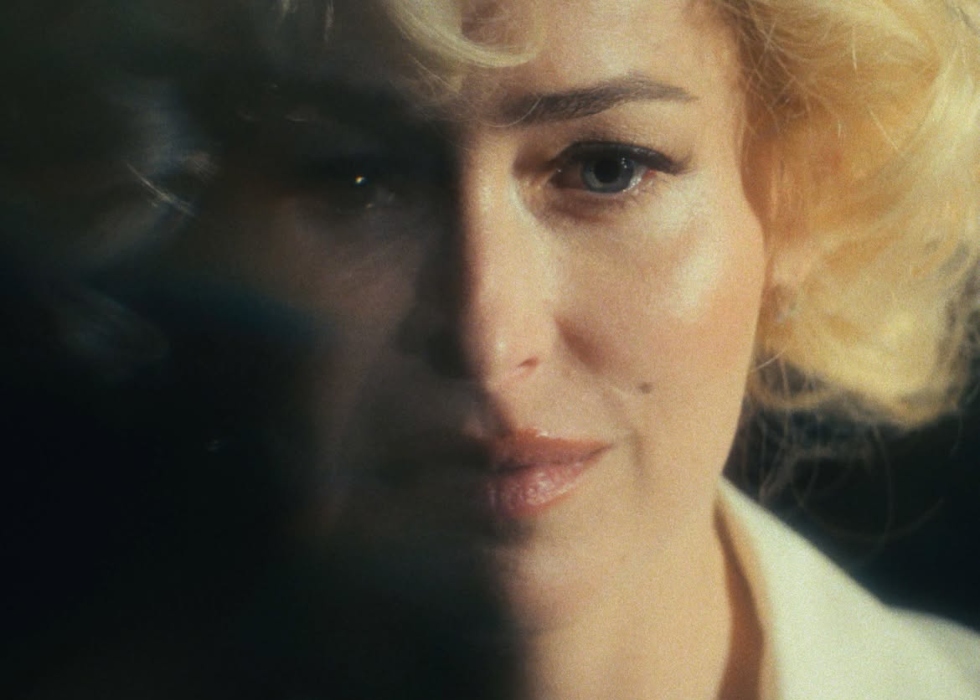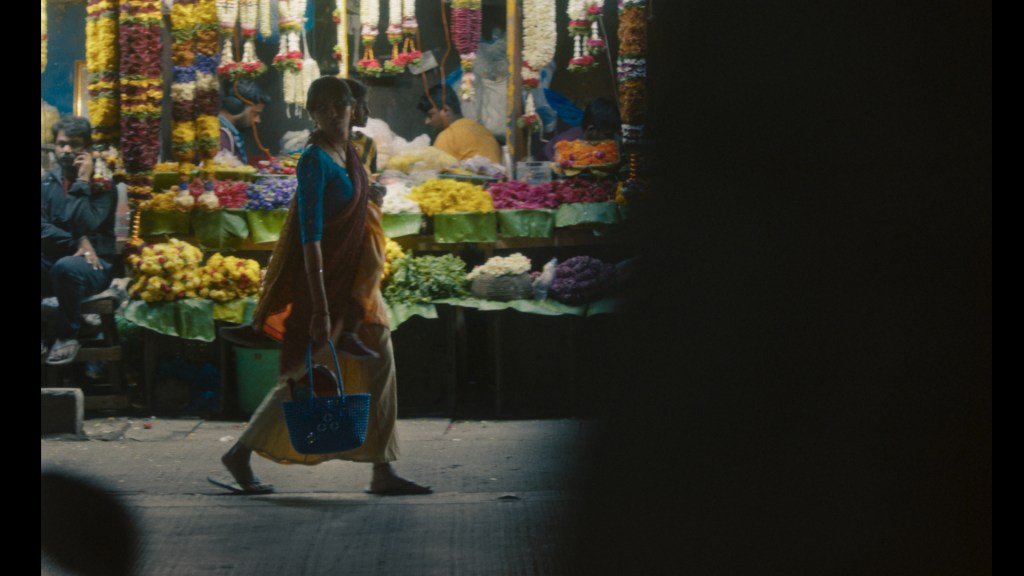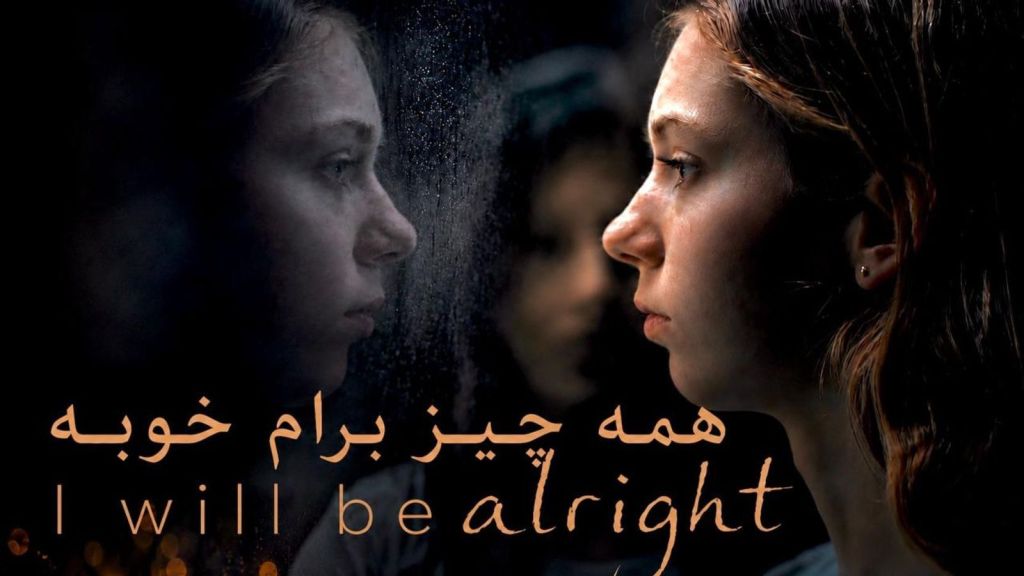
There is a striking contradiction at the heart of Cyrus Neshvad’s I Will Be Alright: a teenage girl works dressed as the Statue of Liberty while facing the possibility of losing her own freedom. For Laïla, a 16-year-old Iranian refugee threatened with deportation, liberty is something she can represent publicly without being certain she will ever be allowed to experience it.
For The Female Perspective, this premise raises a question that reaches beyond immigration policy: what does it mean for a young woman to claim ownership of her future when other people hold the power to decide it?
Laïla occupies the centre of that question. Having fled Iran, she faces being returned to the regime she escaped. At an age when her world should be opening up, her future is narrowing around a decision beyond her control. Her fight to remain somewhere she hoped would offer safety gives the story its emotional urgency.
Through a female lens, the distinction between being offered protection and possessing agency matters enormously. Safety creates the possibility of a life: an education, work, friendships and the freedom to make choices. The threat of deportation places all those possibilities in jeopardy. Laïla is fighting for the chance to become the woman she might otherwise never have the opportunity to be.
She also offers a meaningful way to consider what we ask of a “strong female lead”. Strength need not mean fearlessness, physical power or an endless capacity to withstand suffering. A teenage girl can be frightened, need support and still possess resolve. There is strength in insisting that your life matters when a system risks reducing it to a case awaiting a decision.
The Statue of Liberty costume brings that struggle into sharp focus. A familiar symbol of welcome becomes an uncomfortable image when worn by someone whose own welcome is conditional. Laïla’s work places her inside an ideal that her circumstances expose as painfully uncertain. The image invites us to consider the distance between the freedoms societies celebrate and the freedoms they make available to vulnerable people.
Neshvad’s stated interest in human unity adds another dimension. For a story about a girl caught between borders and government decisions, human connection offers the possibility of being recognised as an individual. Receiving help need not diminish a female protagonist’s strength. It can acknowledge that survival is a shared responsibility, particularly when the person being asked to endure so much is still a child.
The title, I Will Be Alright, carries its own tension. It suggests reassurance, determination and perhaps the effort of saying something before knowing whether it will prove true. Set against Laïla’s circumstances, those words become a claim on a future that remains precarious.
At the centre of this story is a young woman asking for the space to live. Her hopes deserve attention in their own right. That is what makes Laïla such a compelling subject for a female-centred reading: the recognition that her freedom matters before she has to prove how bravely she can fight for it.
★★★★★ — 5/5
Jane Michaels