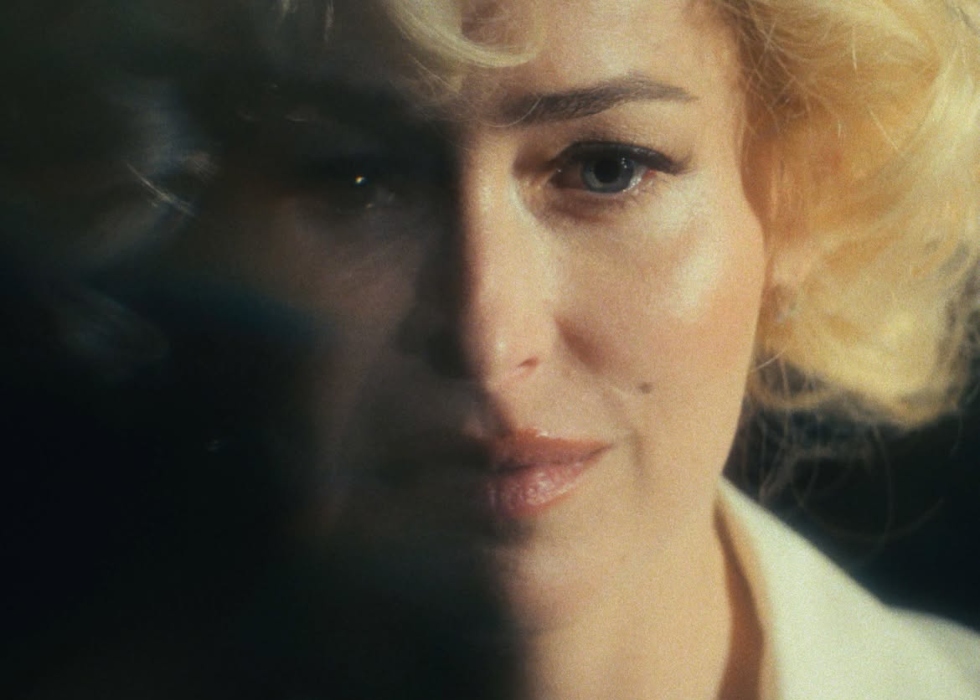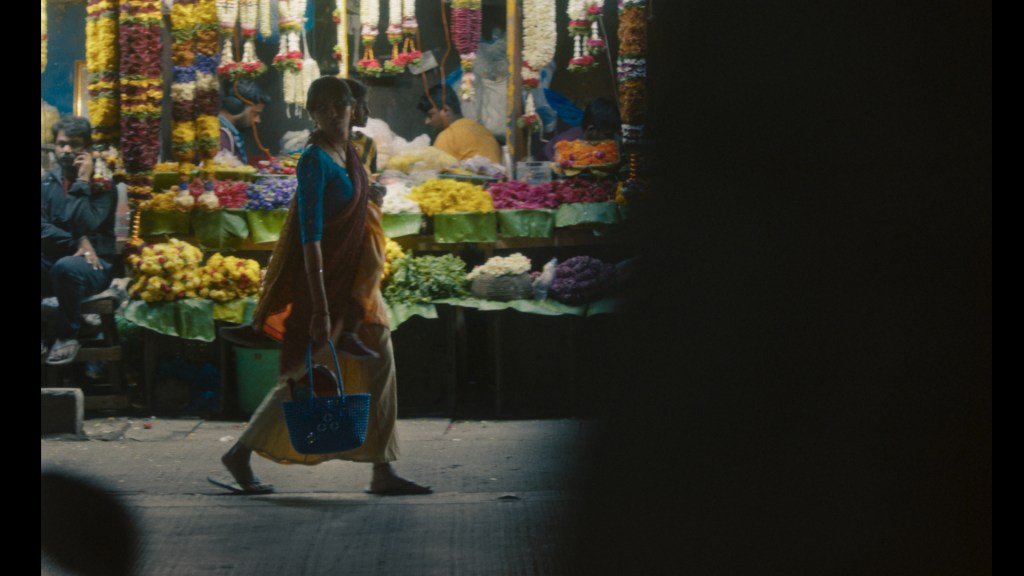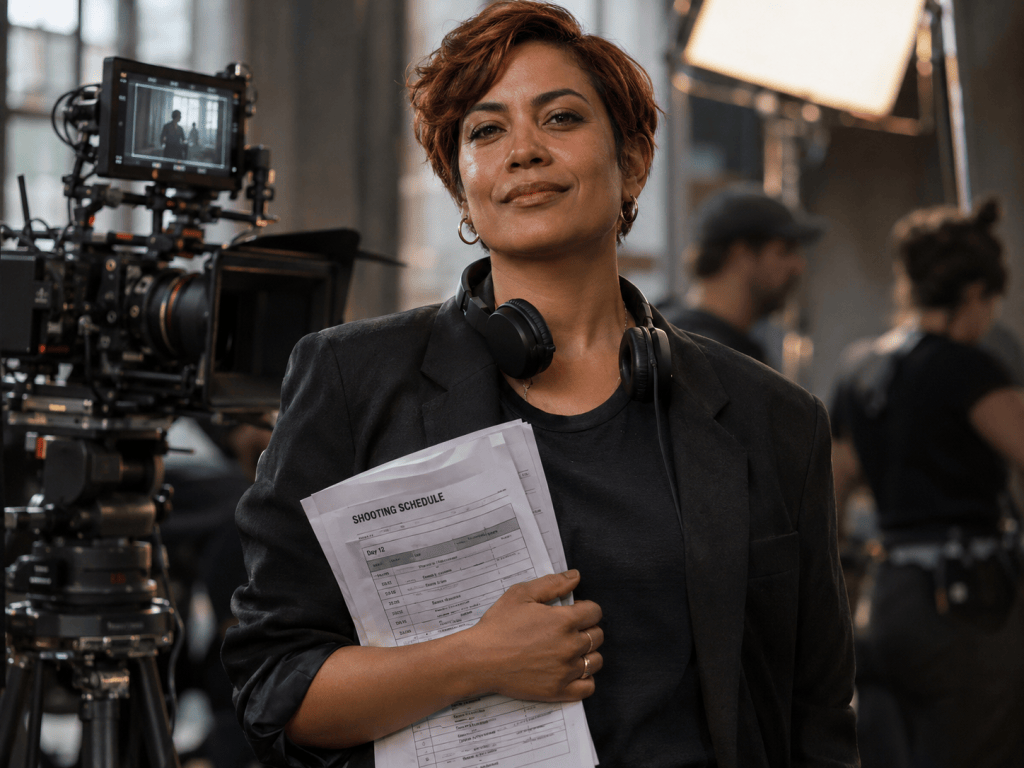
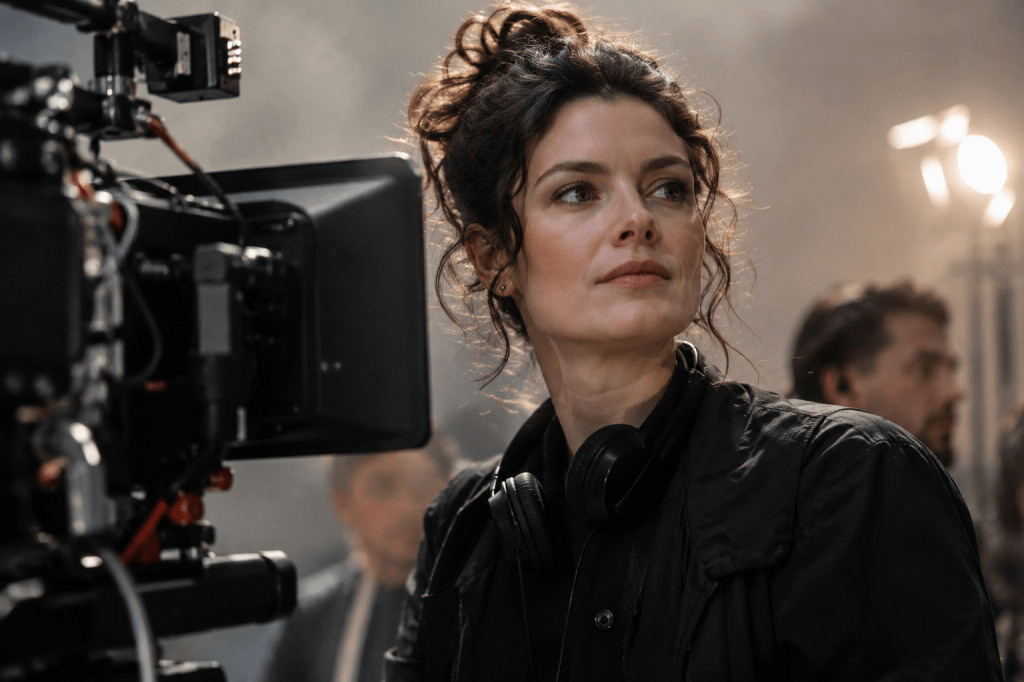
For generations, women have played a vital role in cinema, yet their work behind the camera has too often been overlooked. Today, female directors are increasingly taking their place at the centre of the conversation, bringing distinctive voices, bold perspectives and stories to the screen that might once have struggled to be seen.
From intimate independent films to major studio productions, women are directing across every genre — drama, comedy, horror, documentary, animation and action — and proving that there is no single definition of a “female story.”
What many of these filmmakers do share is a willingness to approach familiar subjects from a different angle.
A Different Perspective
Representation behind the camera matters because the person directing a film helps determine whose experiences are prioritised, how characters are portrayed and which moments are allowed to carry emotional weight.
Female directors have helped expand the way women are represented on screen, moving beyond simplistic archetypes and creating characters who are complicated, flawed, ambitious, funny, angry, vulnerable and powerful.
But their contribution goes far beyond stories centred on women.
Female filmmakers are directing films about politics, family, ageing, grief, identity, war, disability, relationships, social inequality and everything in between. The most exciting work is often not defined by gender at all, but by the individuality of the filmmaker telling the story.
Women Behind the Lens
Some of cinema’s most acclaimed filmmakers have demonstrated just how varied female-directed work can be.
Kathryn Bigelow broke historic barriers when she became the first woman to win the Academy Award for Best Director for The Hurt Locker. Jane Campion became one of the most celebrated filmmakers of her generation through films including The Piano and The Power of the Dog. Greta Gerwig moved from independent cinema into global blockbuster territory with Barbie, while Chloé Zhao’s Nomadland combined an intimate, naturalistic filmmaking style with enormous critical success.
Directors including Céline Sciamma, Sofia Coppola, Ava DuVernay, Emerald Fennell, Sarah Polley and Justine Triet have similarly shown that female filmmakers cannot be placed into a single creative category.
Their films are romantic, political, provocative, funny, uncomfortable, experimental and deeply personal.
That variety is precisely the point.
The Importance of Emerging Voices
Some of the most interesting female-directed films are also being made far away from Hollywood.
Short films, independent productions and international cinema continue to provide important spaces for emerging directors to experiment and develop their voices.
For many filmmakers, the short-film format is particularly significant. A film lasting just ten or twenty minutes can introduce an entirely new directing talent to audiences, festivals and awards voters.
It can also give filmmakers greater creative freedom.
Without the commercial expectations attached to a major feature, directors can take risks with structure, subject matter and visual style. Some of today’s most prominent filmmakers first attracted attention through shorts, proving that a small film can become the beginning of a major career.
More Than Representation
The conversation around women in directing has understandably focused on equality, but increasing opportunities for female filmmakers is not simply about statistics.
It is about the quality and breadth of cinema itself.
When the same types of people repeatedly control which stories are told, audiences inevitably see a narrower version of the world. Opening the industry to filmmakers from different backgrounds creates more surprising characters, more original perspectives and ultimately better storytelling.
Women also bring experiences to filmmaking that have historically been filtered through a male perspective.
Stories about motherhood, ageing, sexuality, ambition, violence, relationships and female identity can take on an entirely different dimension when women are able to tell them themselves.
That does not mean female directors should be expected to make films exclusively about women. The ultimate goal is the opposite: women should have the freedom to direct any kind of story.
The Next Generation
Progress has unquestionably been made, but opportunities are still not equal.
Women continue to face barriers when moving from independent filmmaking into larger-budget productions, and the success of a handful of high-profile directors should not disguise the challenges facing emerging filmmakers.
The next stage of progress will depend on what happens beyond awards ceremonies and headline-making successes.
It means giving women access to financing, studio opportunities, television episodes, major franchises and second or third features — not simply celebrating a breakthrough debut and then failing to provide a path forward.
It also means paying attention to the directors working at festivals, in film schools, on short films and within independent cinema today.
They are the filmmakers who may shape the industry tomorrow.
A Cinema Richer in Voices
The rise of female directors is not about replacing one perspective with another. It is about making cinema broader.
The more voices allowed behind the camera, the more ambitious and unpredictable filmmaking can become.
Women are no longer simply asking for a place within the industry. They are creating some of its most interesting work, challenging expectations and redefining what stories reach the screen.
And for audiences, that means something very simple: more stories, more perspectives and better films.
The future of cinema should not belong to one voice. It should belong to all of them.